 How Zero-Click Results Are Reshaping CTR, Attribution, and Paid Strategy
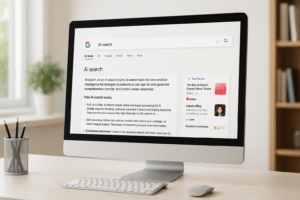
At Tandem Interactive, we’ve seen firsthand how quickly AI search is reshaping the digital marketing landscape. AI-generated answers now appear at the top of search results. Additionally, conversational search modes are changing how users interact with platforms.
The speed of these changes is unlike anything we have seen before. Brands that depend on organic visibility and pay-per-click (PPC) marketing must adapt quickly. These changes are changing the rules for getting the attention of your target audience and attracting potential customers.
AI’s Impact on Click-Through Rates and Organic Search
AI-driven answers are reshaping user behavior. For many informational search queries, traditional organic and paid click-through rates (CTRs) in PPC campaigns are going down. This is because users often find what they need directly from AI summaries. This reduces the incentive to scroll through organic search results and click.
Although informational queries are most affected, high-intent search terms are also at risk. AI answers and paid ads can show up before organic results. This limits visibility, even for the best SEO content.
As zero-click searches expand, attribution grows more complicated. Last-click tracking is becoming less reliable. Marketers need to use blended performance metrics like Media Efficiency Ratio (MER) or blended Return on Ad Spend (ROAS). While attribution challenges are not new, AI search has sped up the shift.
Preparing for Google’s Conversational AI Mode
Google is expected to roll out its conversational AI Mode in Q4, which makes adapting ad strategies essential. Since late last year, brands have spent more on Performance Max (PMax) campaigns. This helps them drive traffic and reach more customers across Google’s ecosystem.
PMax leverages both audience signals and intent-based, targeted keywords to expand reach. While this approach can lower short-term conversion rates compared to pure search campaigns, it also:
- Builds awareness among middle- and top-funnel audiences.
- Helps protect against traffic loss from AI-driven zero-click searches.
- Prepares brands for conversational and dynamic ad formats.
As AI changes how results and ads appear, creative ideas and staying relevant will gain more importance.
Using PMax and AI Max to Stay Competitive
PMax is now a key part of many media mixes. In pay-per-click marketing, updating ad copy often improves performance on channels like YouTube and Gmail.
AI Max, though still in early rollout, has produced mixed results in beta testing. Early experiments are cautious. This is similar to the initial phase of PMax adoption before improvements in lead quality and ranking factors.
Before scaling AI Max, best practices include:
- Running broad-match campaigns to generate high-quality queries.
- Ensuring campaigns have enough data, daily spend, and volume.
- Building a foundation of success with PMax first.
- Verifying clean conversion tracking and enhanced conversions.
At Tandem Interactive, we work with clients who meet these standards. We also test new methods, like AI Max, to stay ahead. As new advancements come up, there will always be questions. One question is how URL expansion affects traffic to landing pages.
How to Compete in the AI Search Era
Winning in an AI-first search environment requires both tactical execution and brand-building strategies:
Invest in your brand.
Strong brand equity increases the likelihood that AI surfaces your business in organic search results. To build that equity, you need to invest in public relations (PR), search engine optimization (SEO), and content marketing. These strategies will help improve visibility in many areas.
Align creative with platform evolution.
As Google experiments with Meta-style ad formats, marketers can no longer rely on static creative. Quick testing and frequent updates ensure high-performing campaigns that remain relevant across both search and social media.
Build a creative engine.
Brands need more than occasional content drops to stay competitive. Whether you use AI tools or hire outside help, a good system for creating and testing new ideas is important. This ensures your marketing campaign has a steady supply of relevant keywords and materials. They optimize for specific keywords and product pages over time.
Diversify your channels.
Relying only on Google search leaves brands vulnerable as AI reshapes visibility. Exploring channels like CTV, LinkedIn, Pinterest, and Reddit adds stability while strengthening connections with a broader customer base. Reddit is especially valuable. It now ranks above Wikipedia as the leading source of AI-related information and community insights.
Support top-of-funnel campaigns.
Upper-funnel marketing helps build awareness before customers are ready to convert. Budgeting for demand generation, YouTube, or Microsoft Audience campaigns can help attract more potential customers. This will bring more prospects into the middle and bottom of your sales funnel.
Unify paid and organic strategies.
Treating paid and organic as separate silos limits performance. Cross-team collaboration reveals shared keyword insights. It improves reporting and strengthens creative strategies. This helps both teams work together for growth and better search engine rankings.
By blending AI-ready creative, smart paid campaigns, and brand-building, marketers can turn disruption into opportunity.
Stay Ahead in the AI Search Revolution
AI-powered search is not a passing trend. The new era of digital marketing has arrived. The businesses that succeed will be those that adapt quickly, experiment boldly, and align paid advertisements and organic strategies. Staying competitive requires flexibility, whether that means refining attribution models, testing AI Max, or strengthening brand equity.
Ready to strengthen your search marketing strategy for an AI-driven future? Contact Tandem Interactive today to build a custom plan that keeps you ah